US During the War
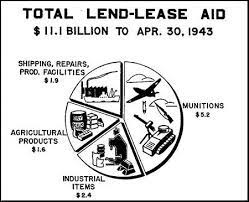
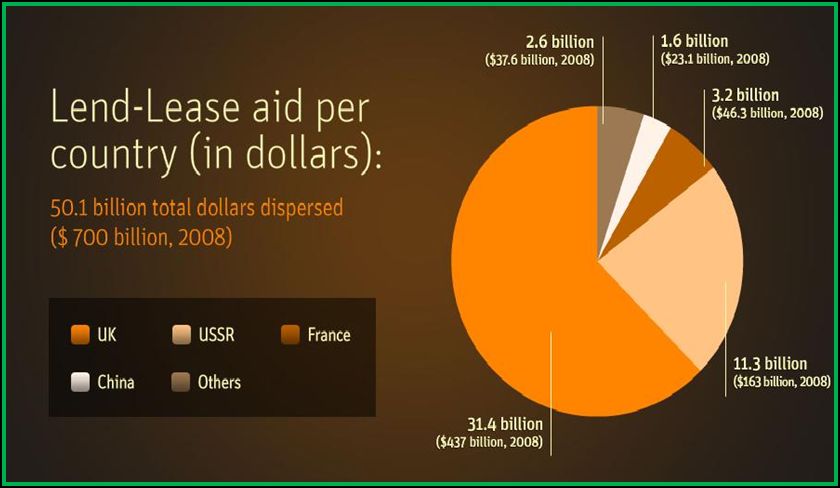
During the war, like most countries, the US tried to capitalize on it. They began supplying weapons and any other supplies to the Allied Powers (which not only included the European ones but also allies like China). The most important policy employed was Lend-Lease, which was an act signed to give money/supplies for free to the Allies. This emphasized that the US, despite not actually part of the Allied forces at the time, was only helping one side of the war.
Link on Lend LeaseGoal of Attack
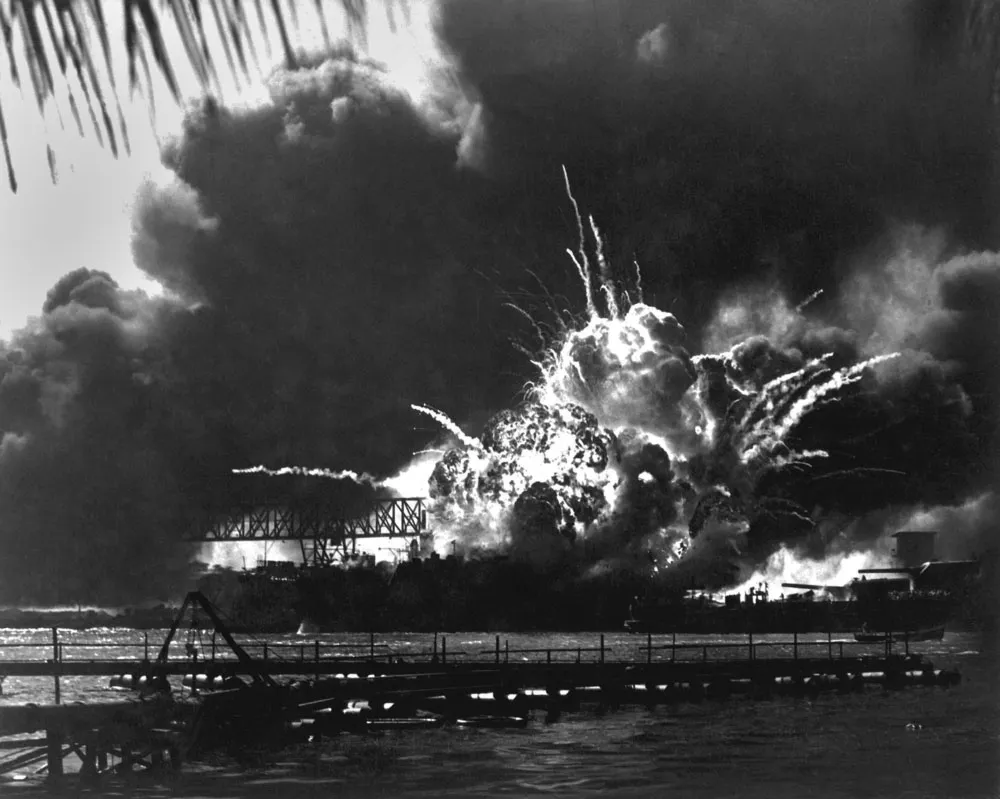
As the US had the strongest navy by this time (having taken the title away from Great Britain after WWI), Japan knew that if it wanted to win a naval war, they had to knock the US out early. This could be achieved by destroying their supplies, which were stationed at Pearl Harbor. As the Japanese Empire had amassed numerous islands after World War I, Japan knew that a war with the US will involve them taking their islands. Thus, they wanted to stop the US before they could actually inflict their damages. However, though the attack destroyed Navy ships and battleships, it didn't even hit any of the aircraft carriers (all of which were not at Pearl Harbor; one was due back in a few days). Now, in retrospect, we know that the war with America was one that they didn't win-not only because of the great naval force that America had, but because of the unity that America had against the Axis powers. World War II was a total war (all industries made weapons or helped with the war effort) for most, if not all of the sides, making the unrelenting Japanese spirit nothing compared to the large population of the US.
Declaration of War
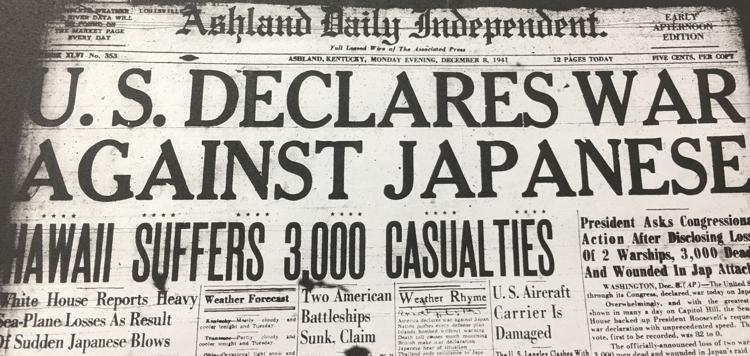
Although it is a common idea that this was a suprise attack without a declaration of war (which was uncommon due to the unsportsman attitude it brings of attacking a neutral nation), Japan did in fact send one. However, the problem is that it wasn't delivered until the day after the actual attacks, making the US's decision of war reasonable. This belief that Japan had brutally attacked the US was now justified, along with the other brutalities they committed in the war (such as the Massacre of Nanjing). Unfortunately, this brought along the infamous Japanese concentration camps in the Western US, particulalry California. There, Japanese citizens who had nothing to do with the attacks or any sign that they would side with the empire were brought and forced to stay in "internment camps". Finally, even though they didn't have to, Germany and Italy declared war on the US, leading the US to respond similarly.
This link features a graphic novel of an experience of someone in a Japanese Concentration Camp